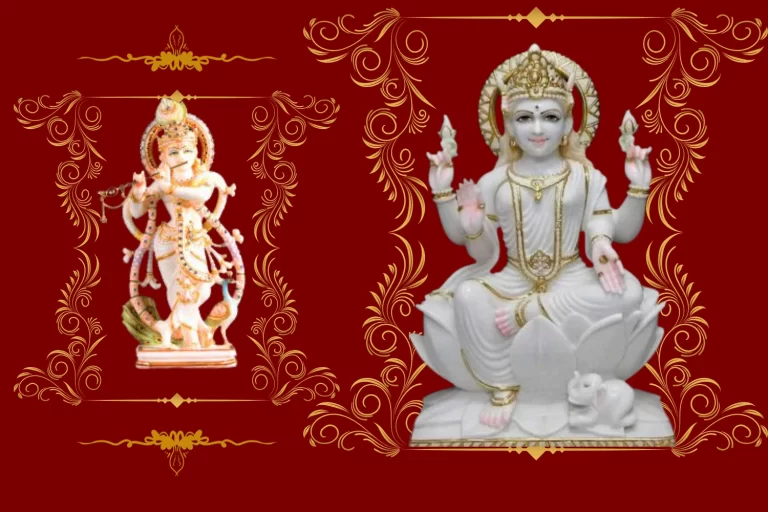

When you imagine timeless beauty in architecture — grand temples, royal palaces, or elegant modern interiors — marble is often at the heart of that vision. For centuries, marble has been admired not just as a building material, but as a symbol of art, luxury, and spirituality.
But how does marble truly compare to other popular materials like granite, quartz, ceramic, concrete, or wood?
Let’s explore its unique characteristics and understand why marble continues to stand apart.
1. Natural Beauty: Crafted by Nature
Every piece of marble is nature’s own artwork. Its delicate veining, soft colors, and gentle translucence give it a unique charm that man-made materials can’t fully replicate. Each slab is formed over millions of years, making every piece truly one of a kind.
- Granite has bold, speckled patterns, great for strong, earthy designs.
- Quartz offers uniform engineered patterns, perfect for modern minimalism.
- Ceramic/Porcelain can imitate marble but lacks natural depth.
- Concrete gives a raw, industrial look.
- Wood brings warmth and organic character.
Why marble stands out: Its depth, glow, and elegance create a timeless appeal unmatched by synthetic materials.
2. Historical Prestige: A Stone of Legacy
From the Taj Mahal and Roman temples to Michelangelo’s sculptures, marble has been at the center of civilization’s most iconic creations. It represents grandeur, purity, and power, making it a favorite for temples, monuments, and palaces.
- Granite and wood were also used historically, but mostly for practical structures.
- Quartz, ceramic, and concrete are modern innovations with less cultural heritage.
Why marble stands out: Owning marble is like owning a piece of history — elegant, enduring, and full of stories.
3. Workability: The Artist’s Dream
Marble is naturally softer than granite, which makes it easier to carve, shape, and polish. This is why sculptors and architects have relied on it for centuries to create intricate details, statues, and ornamental architecture.
- Granite is harder, making fine detailing more difficult.
- Quartz and ceramic are unsuitable for carving.
- Concrete can be molded but not intricately shaped.
- Wood is easy to shape but less durable.
Why marble stands out: It allows for artistic freedom — from delicate temple carvings to smooth modern finishes.
4. Maintenance: Beauty That Deserves Care
Marble’s porous surface requires regular sealing and gentle cleaning to protect it from stains and etching (especially from acidic substances like lemon or vinegar). However, with proper care, marble can last generations and even develop a beautiful patina that enhances its charm over time.
- Granite is low maintenance and more resistant to staining.
- Quartz is non-porous and very easy to maintain.
- Ceramic resists scratches and stains well.
- Concrete requires sealing but is sturdy.
Wood demands frequent polishing and moisture protection.
Why marble stands out: Its aging process adds character and depth, something engineered surfaces can’t replicate.
Marble is durable enough to stand the test of centuries—as seen in monuments that still shine today. While it’s softer than granite and quartz, its graceful aging and reparable surface make it a long-term choice for both interiors and exteriors.
5. Durability: Timeless Strength
- Granite and quartz are harder and more scratch-resistant.
- Ceramic is strong but can crack with impact.
- Concrete is tough but prone to chipping.
- Wood can wear and warp over time.
Why marble stands out: It offers a blend of strength and beauty, making it perfect for spaces meant to last generations.

6. Purity and Divinity: A Sacred Stone
One of marble’s most unique qualities is its spiritual significance. In many cultures, especially in India, marble is associated with purity, positivity, and divinity. This is why it’s commonly used in temples, idols, and sacred spaces. Its naturally white varieties, like Makrana marble, symbolize peace and serenity.
- Granite and concrete rarely carry spiritual symbolism.
- Wood is used in some traditions but lacks the purity of marble.
- Quartz and ceramic are functional but not sacred materials.
Why marble stands out: Its pure, serene appearance and cultural reverence make it the preferred choice for divine spaces.
8. Shine: The Signature Glow
Marble’s natural polish creates a soft, radiant glow that reflects light beautifully. Unlike other materials, light penetrates slightly beneath the surface, giving it a “glow from within” effect.
- Granite can be polished to a high shine but lacks translucence.
- Quartz has an even reflective finish.
- Ceramic often has a glazed, artificial shine.
- Concrete is usually matte.
- Wood has a gentle, non-reflective sheen.
Why marble stands out: Its elegant, natural shine adds sophistication and brightness to any space.
Conclusion
For centuries, marble has breathed life into statues of gods, capturing their grace, serenity, and divine aura. Its soft texture and natural veining allow artisans to sculpt every detail with precision, while its gentle glow and timeless elegance make each figure radiate purity and spirituality.
At Pratimaa, we honor this sacred tradition, transforming marble into divine masterpieces that inspire devotion, awe, and a deep connection to the eternal. Each statue is not just stone—it is a silent hymn carved in marble, celebrating the divine in every curve and contour.