Marble sculpture stands as one of the most admired art forms in human history. Artists and civilizations have loved marble for its smooth texture, natural shine, and lasting strength. For thousands of years, they have shaped this stone into gods, heroes, monuments, and temples.
When people explore the history of marble sculpture, they often think of ancient Greece and Rome. However, India developed its own deeply spiritual and artistic marble traditions. In India, marble sculptures—especially Hindu gods and goddesses—go beyond decoration. They express devotion, faith, and cultural identity.
1. Ancient Civilizations: The Beginning of Marble Art
Egypt (around 3000 BCE)
Egyptian craftsmen used marble for sacred objects and statues, though they mostly preferred granite and limestone. Even then, marble symbolized purity and importance.
Greece (600 BCE – 100 BCE)
Greek artists transformed the history of marble sculpture by mastering human anatomy and ideal beauty. Sculptors like Phidias and Praxiteles created lifelike forms that balanced realism and perfection. Iconic works such as the Venus de Milo and Discobolus still inspire artists today.
Rome (300 BCE – 400 CE)
Roman sculptors admired Greek techniques but added realism. They carved marble portraits with detailed facial expressions, creating strong, personal identities in stone.
2. Europe’s Changing Styles: From Faith to Freedom
After Rome fell, European artists used marble mainly for religious purposes. Sculptors decorated cathedrals and tombs with saints and biblical scenes.
During the Renaissance (14th–17th centuries), artists revived classical techniques and reshaped the history of marble sculpture. Masters like Michelangelo and Bernini used marble to capture emotion, movement, and human perfection. Michelangelo’s David remains a timeless symbol of artistic brilliance.
Later, Baroque artists introduced drama and motion, while Neoclassical and modern sculptors blended tradition with innovation—proving marble never lost its appeal.
3. Marble in India: A Spiritual Art Form
India’s contribution to the history of marble sculpture centers on spirituality. Regions like Rajasthan, known for Makrana marble, became important hubs of temple art.
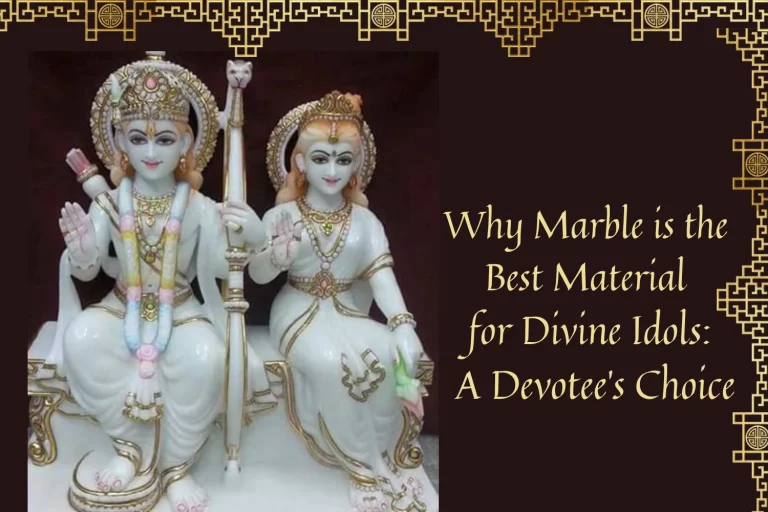
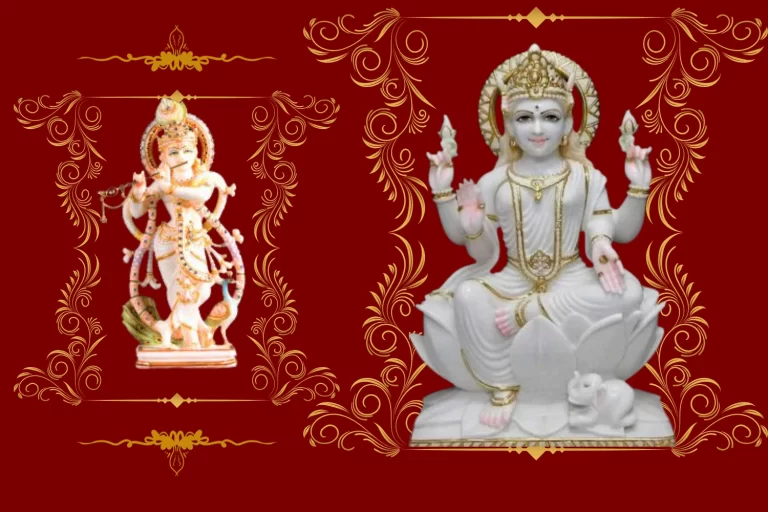
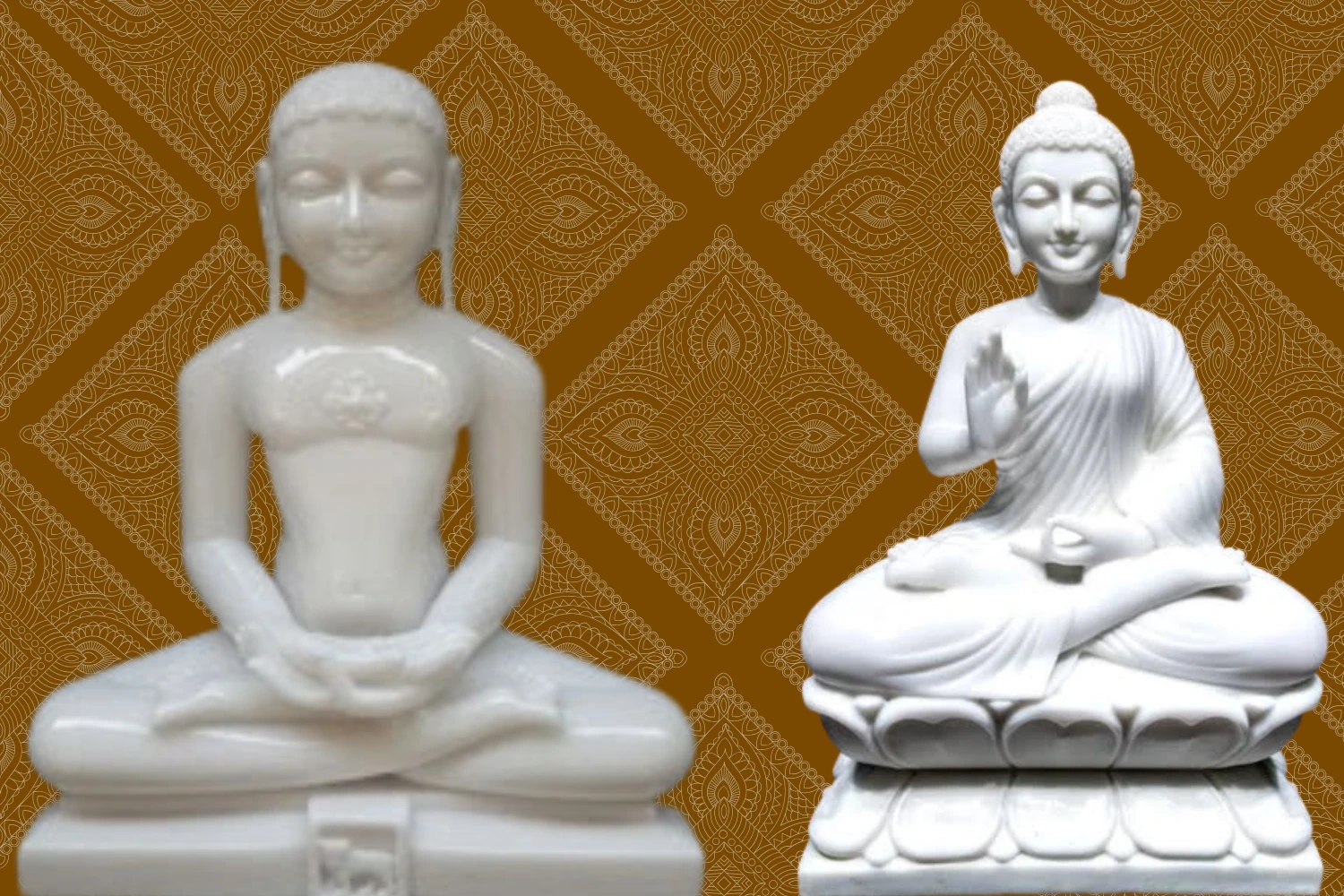
Indian artisans carved detailed images of Hindu gods such as Vishnu, Shiva, Krishna, and Devi. The Dilwara Jain Temples in Mount Abu showcase breathtaking marble carvings that reflect devotion and extraordinary skill.
4. The Mughal Era and Home Worship
During the Mughal period (16th–18th centuries), marble craftsmanship reached new heights. The Taj Mahal, built from luminous white Makrana marble, stands as one of the greatest monuments in the history of marble sculpture.
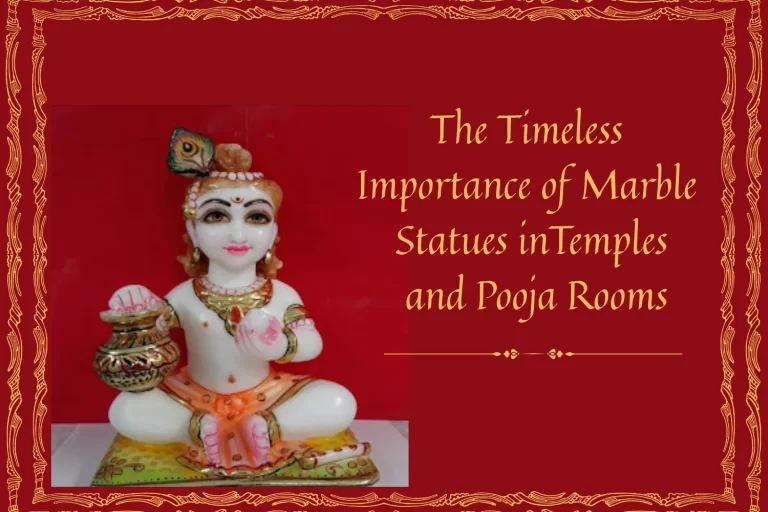
At the same time, families began placing smaller marble idols of Hindu deities in their homes. These statues transformed homes into sacred spaces and strengthened personal devotion.
5. How Hindu Marble Statues Are Made
Artisans create Hindu marble statues through a careful and spiritual process:
Carving: Skilled craftsmen shape the stone, focusing on facial expressions, jewelry, and symbolic hand gestures (mudras).
Polishing: They smooth and polish the surface until it glows with divine beauty.
Decoration: Artists add gold leaf, gemstones, or natural colors to enhance spiritual meaning.
Each statue reflects devotion, patience, and artistry.
6. Modern India: Keeping the Tradition Alive
Today, marble statues remain central to Indian culture. Temples, homes, and festivals proudly display them. Artisans still carve by hand while using modern tools for precision.
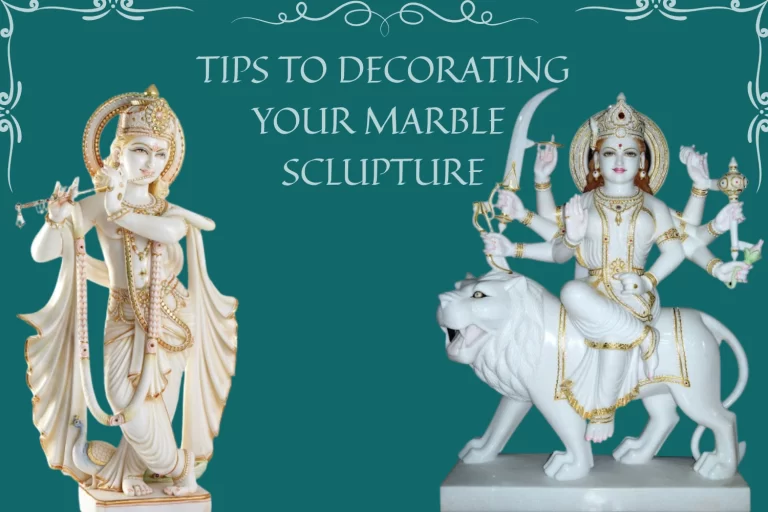
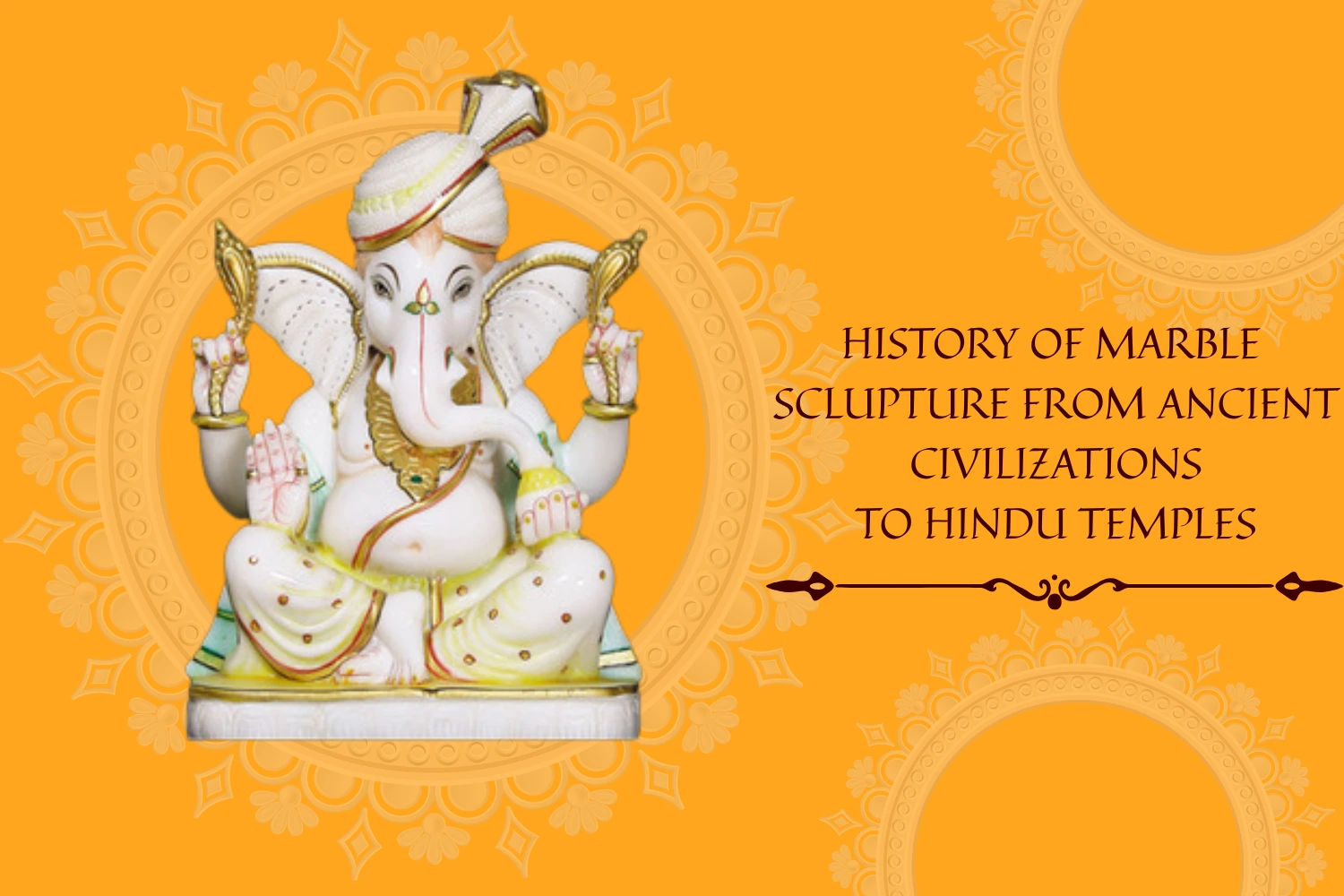
Popular deities include Ganesha, Krishna, Shiva, Durga, and Lakshmi. India also exports marble idols worldwide, helping preserve the history of marble sculpture and share its spiritual heritage globally.
Conclusion
The history of marble sculpture tells a powerful story of creativity, faith, and cultural exchange. From ancient Greek masterpieces to India’s sacred idols, marble connects the physical world with the spiritual.
In India, marble statues of gods continue to inspire devotion and artistry. Whether it’s Krishna’s gentle smile, Durga’s strength, or Shiva’s calm meditation, each sculpture carries deep meaning. Marble endures because it holds both history and holiness—making it one of the world’s most meaningful art traditions.