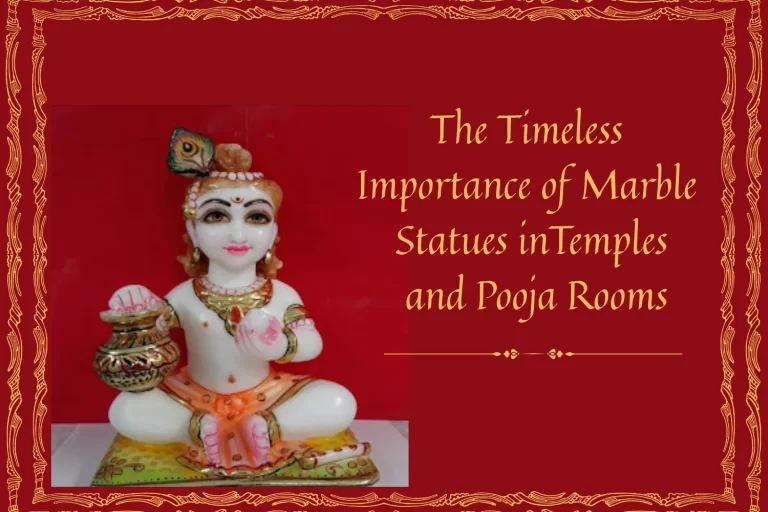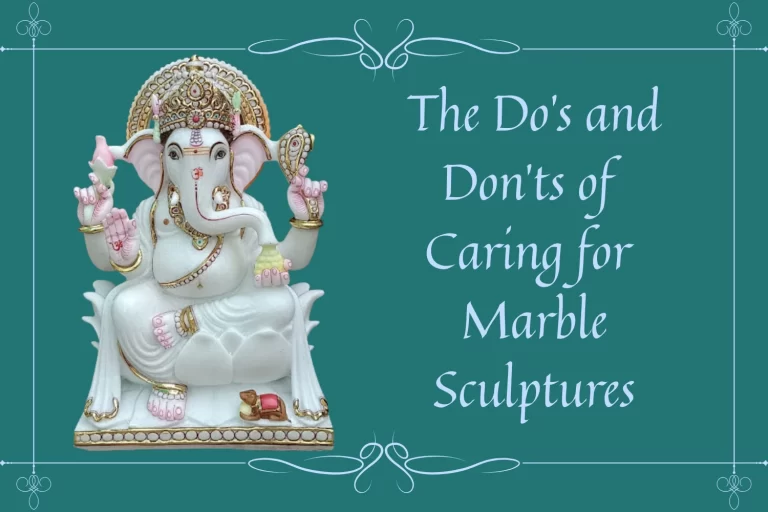
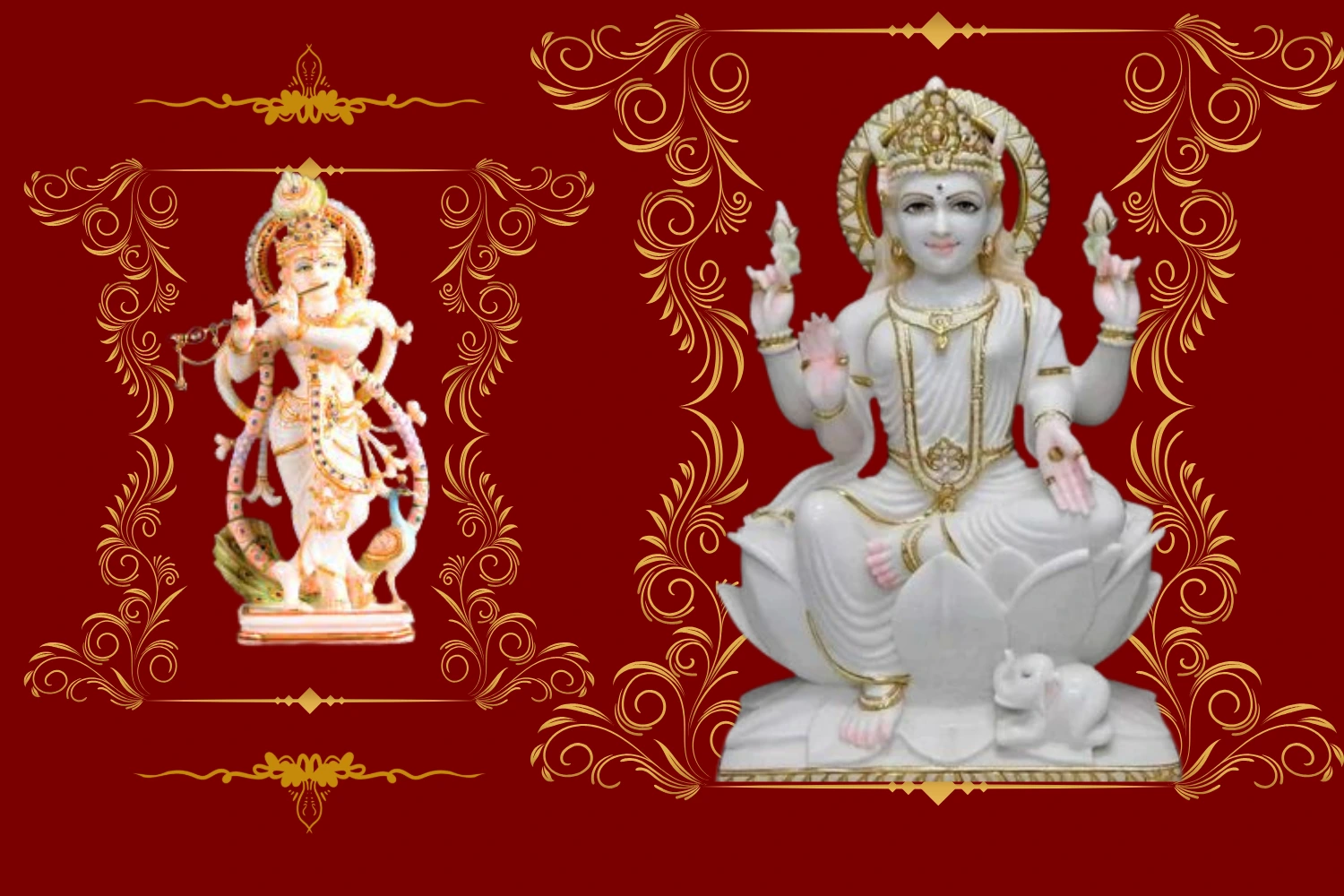
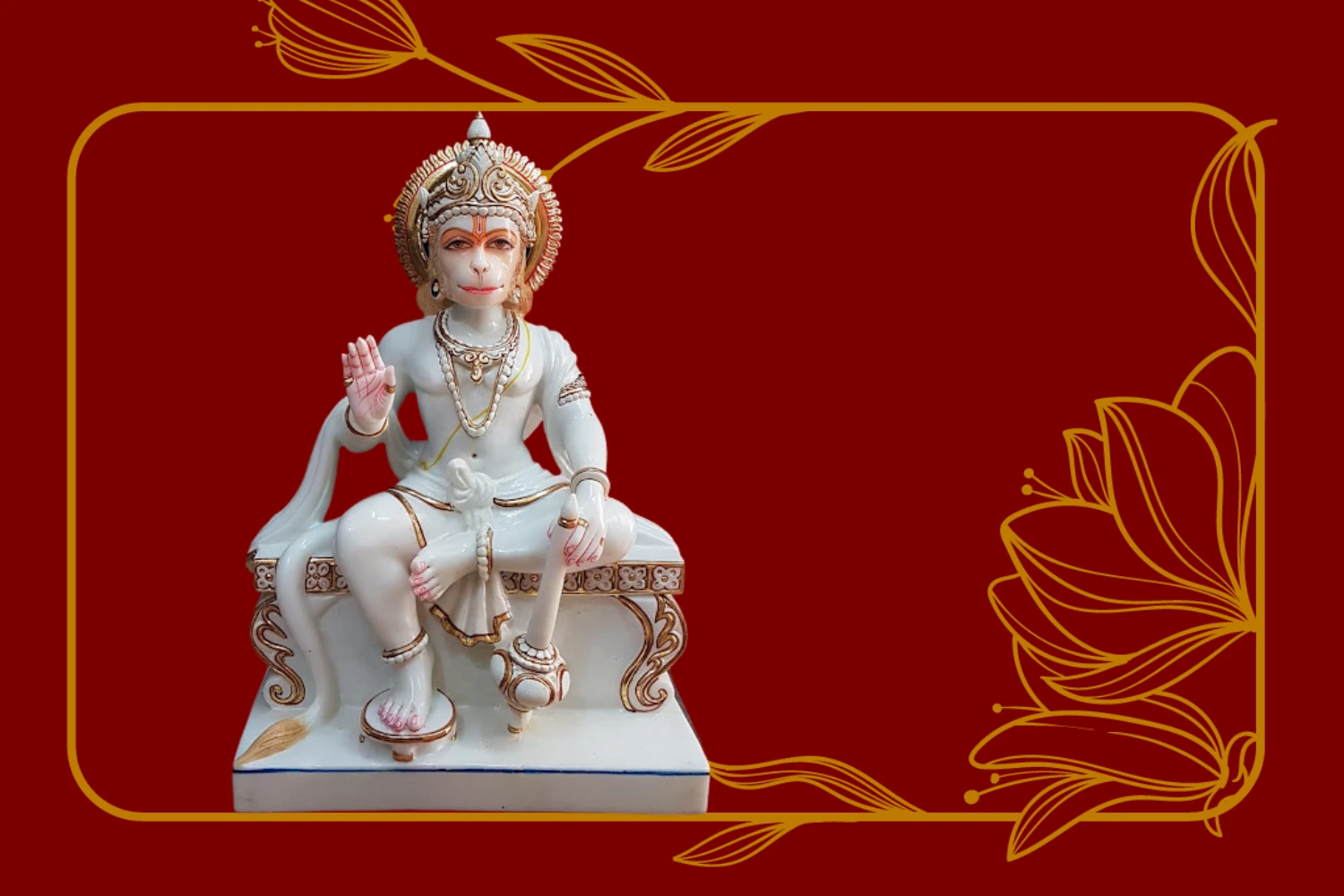
“A house where marble statues of God and Goddess are present is not merely decorated; in reality, such a house gets blessings too. Marble indeed emits a serene Glow, its natural purity, and Lord/Goddess Idol’s serene presence convert each corner of your house into a symbol of peace, love, and positivity. with Pratimaa, know the process of pooja of marble statues at home.”
Regular performace of pooja or prayer maintains this divine energy. Pooja needn’t be elaborate or time-consuming. What is most important is the genuinity of the acts, done with love and devotion. Here’s a simple yet elegant way of performing the daily pooja at home for the marble deities.
1. Purify the Temple and Your Mind
Before you start, calm your thoughts by taking a deep breath. Come to your home mandir with a peaceful heart, it’s a spiritual time you spend in the presence of God.
Begin with cleaning the area around the temples with a clean, dried cloth. Gently clean the marble idols. Once a week, you can also clean the idols with a cotton cloth dampened with water to make them look radiant.
Tip: Do not use harsh cleaners or soap on marble. Marble is heavenly material; thus, it has to be handled with reverence.
Clean hands, a calm mind, and a pure heart will be the best possible offerings you could make for your gods.
2. Lighting diyas and fragrancing the surroundings
Light a diya, or lamp, filled with either pure ghee or oil.
This flame stands for “divine light,” which chases away darkness and evil.
Afterward, light incense or dhoop and let its scent cleanse the atmosphere.
This is where it all begins. It is where you create an atmosphere that elevates your space from ‘normal’ to ‘divine.’ The soft light and smell envelop your senses and beckon the presence of the Gods into your home.
Step 3: Offer Flowers and Water
As per various
Offer fresh blooms or garlands to your deities. Each type of flower has its own vibrations:
Lord Ganesha: Red hibiscus/Marigold for wisdom & success
Goddess Lakshmi: Lotus or rose for prosperity and beauty
Lord Shiva: White flowers and bel leaves for purity and peace
Lord Krishna: Tulsi leaves and yellow flowers for devotion
Goddess Saraswati: White jasmine for Knowledge, Calmness
Sprinkle a few drops of clean water on your idols. This symbolizes cleaning and worship.
Always remember that you should never provide wilted flowers to others. Provide flowers that symbolize your sincerity by choosing fresh flowers for them
Step 4: Offer Naivedya (Prasad)
Now, make a simple offering for your idols – fruits, sweets, or milk. Put it with both hands in front of the idols and close your eyes for a moment.
Give it with a grateful heart. Think in your mind, ‘Thank you for all. I offer this to you with love.’
Once the pooja is finished, you can serve this food as Prasada, or blessed food, that brings peace and oneness in your family.
Step 5: Chant the Mantras & Make Your Prayers
Chanting allows you to connect your soul to the vibration of the divine. You can start with simple chants using the following mantras:
Om Ganapataye Namah –
Om Namah Shivaya – for Lord Shiva
Om Namo Bhagavate Vasudevaya – For Lord Krishna
Om Shreem Mahalakshmyai Namah – For Goddess Lak
Even when you don’t know much mantras by memory, just speak with sincerity. Speak with your deities as you would with a loving parent or a dear friend – with honesty, sincerity, and trust.
Step 6: Perform Aarti
Kindle the camphor/ghee wick lamp and move it in circular motions in front of each idol.
While you sing/hum your Aarti, ring a small bell softly. By doing so, the vibrations of the bell create space full of divinity.
“The Aarti light represents the dispelling of darkness in our lives. May the light symbolism remind you that beneath the difficult experiences of the day, the divine presence is always leading the way.”
Lower your head and close your eyes. Allow time to absorb the feeling of peace that pervades.
Step 7: Conclude With Gratitude
In ending your pooja, you fold your hands and thank your deities.
Be thankful for existence, good health, loved ones, and safety. Pray for strength to walk in the right way and to meet difficulties with peace.
Now, let this diya be lit for some time so that its glow fills your house with positiveness.
Protecting Your Marble Statues
Care: Avoid
Because marble is considered sacred and natural, you should handle your idols with care:
Always handle them using clean and dry hands.
You must never keep damaged or chipped idols inside your temple.
Turn your idols to east or west for positve energy.
Deep clean (Abhishek with milk or water) only on auspicious days.
It’s a sign of commitment and it keeps your idols in the same condition they were in the day you brought them home.
The Blessings of Daily Pooja
Doing pooja every day not only cleans your home but also cleans your soul. Spending just five minutes with your marble statues of your God and Goddess is enough to give you calmness, strength, and clarity.
It assists you in beginning your day in gratitude, ending your day in calmness, and filling your house and life with light and love. When you are a prayerful person, your idols are more than statues. They begin to be your guiding presences. Final Thoughts
Conclusion
Doing daily pooja at home with marble idols is the easiest but most potent thing in life. It maintains the connection with God alive, guards goodness in and around your home with blessings upon blessings. Each time you light the diya in the morning and worship the marble idols, don’t forget – not the ritual, but the affection behind it, will reach god. Learn how to conduct pooja on a daily basis in your house. Make your prayers gentle, with an overflowing heart and an ever radiating home with light that comes from God.